


- Sales Hotline: 0573-84027080
- E-mail: sales@chinaoiles.com
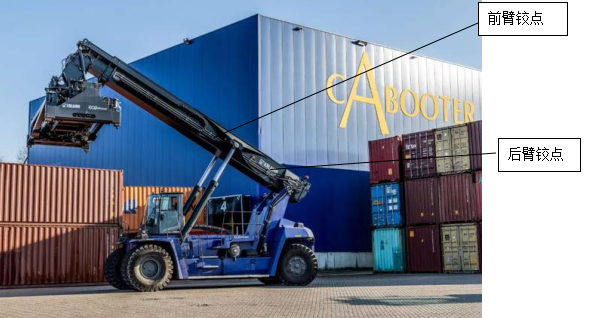
Background:
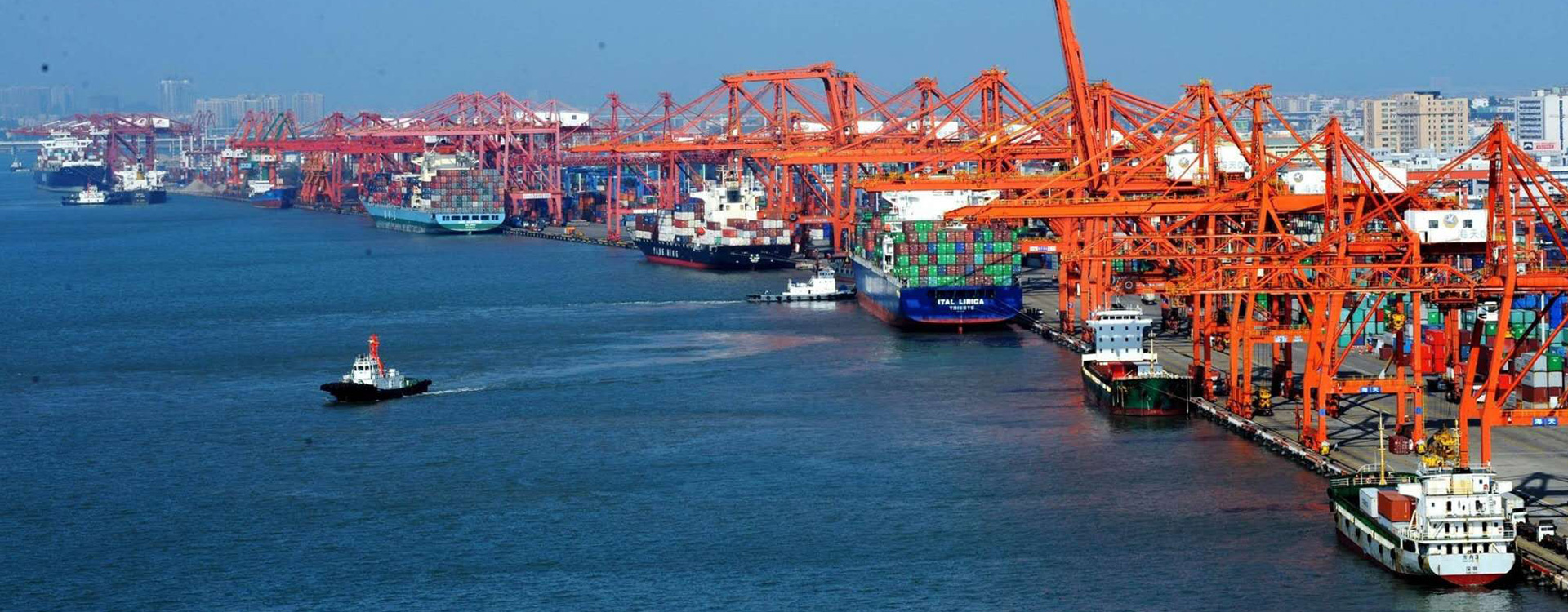
A reach stacker, also known as a container crane, a type of crane used for loading and unloading containers, is a type of lifting equipment. Specially designed for loading and unloading 20 and 40 inch standard containers.
Starting from the early 1980s, brands such as KALMAR, LINDE, and SMV began to develop and produce container cranes. Since 2009, domestic companies such as Sany, XCMG, Longgong, Zoomlion Heavy Industry Science and Technology Co., Ltd., and Heli have successively developed and produced container cranes.
case
A terminal user at a certain port frequently uses container cranes during the process of container transfer and palletizing. Due to poor lubrication and impact forces, the joint bearings of the boom are severely worn, resulting in frequent maintenance in this area.
Location: The front lifting arm pivot point is divided into the forearm hinge point and the rear arm hinge point. The forearm hinge point is connected to the lifting cylinder for lifting or lowering movements, while the rear arm hinge point rotates and swings with the lifting and lowering of the cylinder.
Container crane: a domestic brand
Lifting weight: 26~30 tons
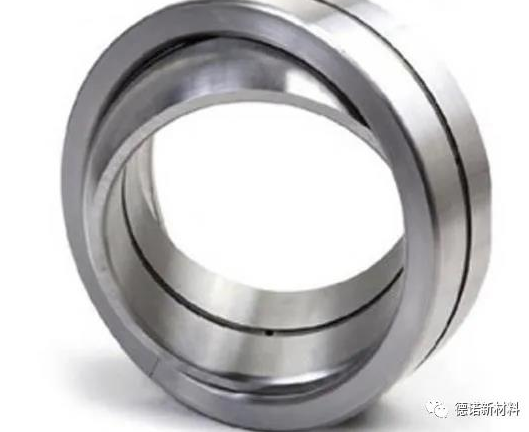
Original usage: Joint bearings from an international brand in Germany
Original usage model: * * 120UK-2RS
Advantages of the original product: High quality and trustworthy brand awareness, joint bearings with self-adjusting function, large allowable deviation range in manufacturing and use, large relative contact area due to spherical contact, and uniform force distribution.
Maintenance condition: Regular maintenance.
On site feedback:
1) Frequent box moving operations result in frequent damage to the joint bearings in the rear arm hinge point. On average, the joint bearings in the rear arm hinge point need to be replaced once every 2 months for each frontal crane.
2) Frequent maintenance and high maintenance costs result in low equipment utilization and integrity rates. The customer has a strong reaction.
3) After disassembly, it was found that the distribution of lubricating oil film on the bearing was not ideal.
Cause analysis:
1) Based on big data analysis, the harsh and objective environmental conditions for end customers exist.
2) The original joint bearings do not have self-lubricating performance and belong to (thick) oil film lubrication according to the concept of tribology during use. And in the use of this type of equipment, it belongs to the form of heavy load, impact, low-speed small angle swinging motion, making it difficult to form a good lubricating oil film.
3) Analysis of oil film details: High surface pressure, low speed, impact, high temperature, etc. can easily cause oil film rupture, and the academic community has not fully grasped the rules so far.
4) The above factors ultimately lead to frictional defects such as fraying and eccentric wear of joint bearings through oil film rupture, which may be the cause of frequent replacement.
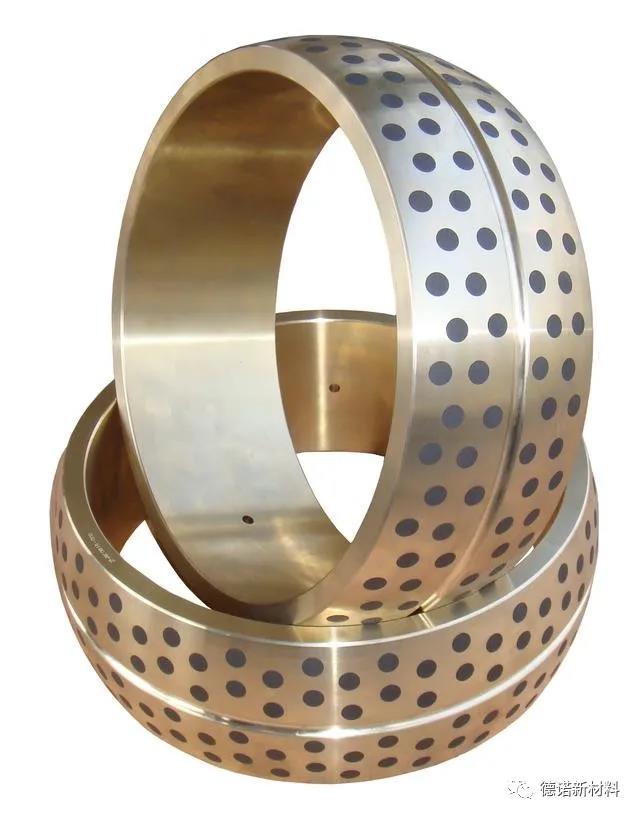
result:
The actual replacement and maintenance interval has been extended by more than 10 times compared to the original joint bearings.